Table of Contents
- Introduction
- Understanding The Basics of Weight Loss
- What Is A Balanced Diet?
- Nutrients That Matter for Weight Loss
- Staple Foods of South Africa and Nutrition
- Creating A Balanced Weight Loss Menu
- Portion Control and Meal Timing
- Budget-Friendly Grocery Shopping in South Africa
- South Africa Social Meals and Eating Out
- Lifestyle and Physical Activity
- Common Challenges and Solution
- The Need for Supplements
- Special Dietary Requirements and Cultural Considerations
- South Africa Real Success Stories
- Conclusion
1. Introduction
Losing weight is more than simply eating less. One must eat more intelligently. Balanced diets ensure that one gets the appropriate nutrients needed while also maintaining a caloric deficit needed in order to lose body fat. In South Africa, this is achieved by integrating healthy options and practicing culturally familiar foods with sustainable habits.
This comprehensive guide collates evidence-based advice, practical tips, and actionable strategies to suit South Africans of all walks of life.
2. Learning The Basics Of Losing weight
Why Weight Loss Happens
The main reason behind losing weight is by burning more calories than you take in.
This is generally accepted as a calorie deficit. And yet, calories are only one piece of the puzzle. You need a healthy breakup of the calories. Mainly, protein, complex carbohydrates, and partially healthy fats along with vitamins and minerals in order to feel better and have high energy levels, As well as to lose more fat and less muscle.
Why Diet is More Important
it is important to exercise for the sake of overall health and as it helps burning calories.
But studies consistently show, that weight loss is affected more by diet changes than the exercise itself.
This is simply because reducing the calorie intake is more efficient than burning it with physical activity.
3. What is the definition of a balance diet?
A balance diet means that the diet is made of a few components like:
Macronutrients – the diet contains adequate amount of proteins, carbohydrates, and fats.
Micronutrients – the diet contains vitamins and minerals that the body needs to function optimally.
Fiber – the diet contains fibers for digestion.
Water – the diet contains enough water for hydration and metabolism.
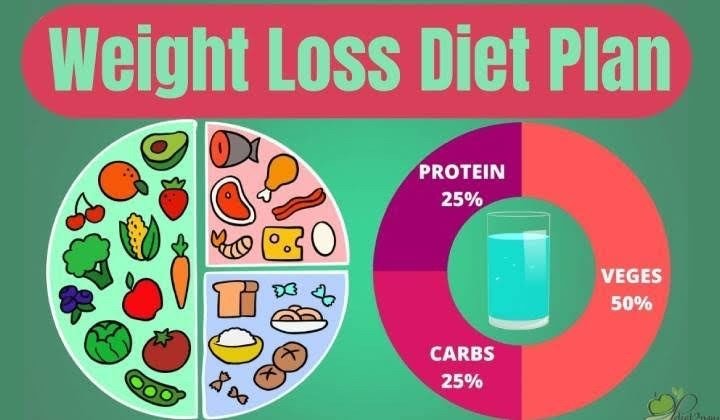
Concept of “Balanced Plate.”
When picturing your plate, it should contain the following:
- Half with fruits and vegetables.
- One quarter with lean proteins.
- One quarter with whole grains or starch vegetables.
- A small amount should contain healthy fats.
This simple guide can assist throughout the whole process of weight loss and planning for better health.
4. What nutrients help with weight loss?
Protein – falls in the top category of your best friend for weight loss.
Protein is known to help,
- Keep lean muscles
- Keep you full for longer
- Increase your metabolic rate
Good sources of protein in South Africa include lean lamb meat, chicken, eggs, fish like hake or pilchards , beans, lentils, maas, low fat yogurt, and tofu.
The target should between the range of 1.2 to 1.6 grams of protein for every kilogram of your body weight per day.
What should the right carbohydrates look like?
When it comes to carbohydrates, not all of them work the same. For instance, the right carbohydrates are classified as complex carbohydrates. You should opt for carbohydrates that are complex and take long to digest like:
- Brown and whole maize meal
- Oats and samp
- Wholegrain bread and rice
- Sweet potato and butternut
This provides you with a steady amount of energy and help in blood sugar spikes.
Healthy Fats — Small but Important
Fats are essential inclusion. Choose from the following sources:
- Avocados
- Nuts and seeds (almonds, groundnuts, chia)
- Fatty fish (sardines, mackerel)
- Olive and canola oil
Fiber for Digestion and Fullness
High-fiber foods like vegetables, legumes, and whole grains help to slow down digestion, and this would help with overall satiety. This is important for reducing the overall calories eaten.
5. South African Staple Foods and Nutrition
An advantage in South Africa is the presence and availability of nutritious staple foods that can easily be integrated in a weight loss diet.
Maize Meal (Pap)
Pap is a dietary staple. The higher fiber option is the brown or whole maize meal. For a balanced meal, pair with veggies and lean proteins.
Green Leafy Vegetables
Kale, spinach, Swiss chard, morogo (wild greens), and others are:
- Micronutrients and fiber rich
- High volume/ low calorie
- Empty calorie
- Ideal for satiety and fullness
Legumes and Beans
Cowpeas, lentils, chickpeas, and sugar beans are:
- Good sources of plant protein
- Rich in fiber
- Versatile and cheap
Fresh Fruit
Seasonal citrus, bananas, pears, and apples can be enjoyed in moderation, and they are a source of fiber, natural sweetness, and several vitamins.
6. Creating A Balanced Meal Plan For Weight Loss
Here is an example of a customized weekly balanced meal plan based on the South African diet.
Daily Guidelines
Calories: To be adjusted based on the age, gender, activity and goals.
Hydration: Drink 6-8 glasses of water a day.
Meals: 3 balanced meals + optional healthy snacks
You made overnight oats cooked with water or low fat milk, topped with fresh berries and chia seeds.
Snack: One small apple and a handful of almonds
Lunch: Mixed salad and grilled chicken breast with brown rice (diced tomatoes, cucumbers, and spinach)
Snack: Hummus with carrot sticks
Dinner: Steamed morogo and butternut with baked (hake) fish
SP Breadfast: Two boiled eggs and a slice of tomatoes on toast (wholegrain)
Snack: Sliced banana with low-fat yogurt
Lunch: Steamed lentils with brown maize meal and a salad on the side
Snack: A pear
Dinner: Stir-fried (beef) with quinoa, and mixed veggies
(Days 3-7 must follow like this.)
7. Portion Control and Meal Timing
Portion Control
- Don’t eat straight from the pot.
- Plates should be small, this gives the illusion of having more.
- Weighing food or using measuring cups can be helpful.
- Vegetables should make up half the meal.
Meal Timing & Frequency
Following a meal schedule allows you to better regulate blood sugar and avoid overeating.
Breakfast should be eaten only 1-2 hours after waking.
Meals should be eaten every 3-4 hours (if needed)
Try to avoid late-night snacking.
8. Grocery Shopping on a Budget in SA
Smart Shopping Strategies
- Buy seasonal produce — it’s cheaper and fresher
- Choose dry legumes and grains in bulk.
- Compare unit prices to avoid spending too much.
- Choose frozen veggies and fruits (nutrient-dense and affordable)
- Plan meals before shopping to avoid impulse buys.
Steer Clear Of Highly Processed Foods
- Sugary beverages
- Packaged treat foods
- Sugary breakfast cereals
- Deep fried foods
Very high in calories and poor nutrition.
Eating Out & Social Meals in South AFrica
Eating with other people in a South African context includes braais and family dinners and weekend outings with friends. Here are some tips to help you stay on track.
At Braais
- Choose lower fat BBQ options
- Don’t go for BBQ sauces that are high in sugar
- Go for salads and grilled vegetables.
At Restaurants
- Stating that you want dressings on the side
- Choose options that are grilled, baked, or steamed.
- Steer clear of the big portions. (request to take half)
Physical Activity and Lifestyle
Supporting healthy weight loss is a lot easier when being active.
Average Activity Suggestions
- Moderate cardiovascular activity for about 150 mins/week (like a fast walk or cycle)
- Strength training for about 2-3 times/week in order to keep your muscles.
Easy Ways To Move More
- Choose to walk up the stairs instead of taking lifts.
- Walk or cycle short distances.
- Dance in your home to music.
- Join a sports group in your community.
Common Challenges and Solutions
No Time
Prep your meals on the weekend, then you can grab fellow meals. Meals that are stir fries or salads are quick.
Food Cravings
For longer satisfaction, pair fruit or a small amount of dark chocolate with a source of protein or high fiber food to feel full.
No Weight Loss Plateauing
Ways to fix include looking at calories again, increasing exercise, changing portion sizes, or doing different exercises.
12. Supplements: Do You Need Them?
There is no need to take supplements for weight loss, as long as your diet is balanced and includes a variety of foods. Some people might need:
- Multivitamins (if diet is limited)
- Vitamin D (if deficient)
- Omega-3 (for heart health)
Make sure to ask your doctor before starting any new supplements.
13. Special Diet Preferences and Cultural Needs
Vegetarian & Vegan Options
These diets can also be very effective for weight loss:
- Make sure to include beans, lentils, tofu, seeds, and whole grains
- Make sure to include enough protein.
Cultural & Religious Traditions
Balanced diets can be adapted respectfully to fit traditional practices:
- Incorporate traditional items (for example, samp and beans)
- Focus on more vegetables and leaner, healthier cooking methods.
14. Real Success Stories from South Africa
Story: Thandi’s Journey
Thandi lives in KwaZulu-Natal and lost 12 kg in 6 months by doing the following:
- Having brown maize meal instead of white
- Daily walks with neighbors
- Eating a lot of vegetables in her meals
- Not having sweetened beverages
Story: Sipho’s Transformation
Sipho works in an office in Johannesburg and lost 15 kg by doing the following:
- Planning and preparing meals ahead of time
- Choosing grilled options over fried
- Not having large portions of dessert
These stories show that it is the small, sustainable shifts that lead to the best outcomes, not the extreme diets.
15. Conclusion
Keeping to a weight loss plan with a balanced diet isn’t a question of restriction. It comes down to making healthier choices, being consistent, and listening to what your body needs. In South Africa, a health-focused weight loss diet that incorporates traditional and affordable ingredients is available.
Concentration on:
- whole food options with rich nutrients
- enjoying the meals
- controlling the portions
- regular exercise
will boost your overall health, mood, and energy while also ensuring you lose weight.
Remember: weight loss is personal. What works for one person might differ for another. Always consult a healthcare professional before starting a new diet or fitness plan.
Recommended Support for Weight Loss (Optional)
While a balanced diet remains the foundation of healthy and sustainable weight loss, some people choose to support their journey with carefully selected supplements. These products are not a replacement for a healthy diet, but may complement your efforts when combined with proper nutrition and physical activity.
🔹 Natural Weight Loss Support Supplement
Many South Africans look for weight management supplements that focus on:
- Supporting metabolism
- Improving energy levels
- Helping control appetite
- Supporting fat-burning processes
If you are considering a supplement, choose one that:
- Uses natural ingredients
- Has clear ingredient labeling
- Is manufactured in certified facilities
👉 Click here to check availability and official pricing Mitolyn Official Website
⚠️ Always consult a healthcare professional before using any supplement, especially if you have medical conditions or are taking medication.