Introduction
Fibermaxxing for weight loss has emerged as one of the most effective nutritional strategies for sustainable fat reduction without extreme calorie restriction. This approach involves strategically maximizing your dietary fiber intake to enhance satiety, regulate blood sugar, and optimize your body’s natural fat-burning mechanisms. Unlike restrictive diets that leave you hungry and depleted, fibermaxxing works with your body’s physiology to create a caloric deficit while maintaining energy levels and metabolic health.
The science is compelling: studies show that increasing fiber intake by just 14 grams daily can lead to a 10% reduction in calorie consumption and up to 4.2 pounds of weight loss over four months—without consciously restricting food intake. This happens because fiber expands in your stomach, triggers satiety hormones, and slows digestion, keeping you fuller longer while stabilizing insulin response.
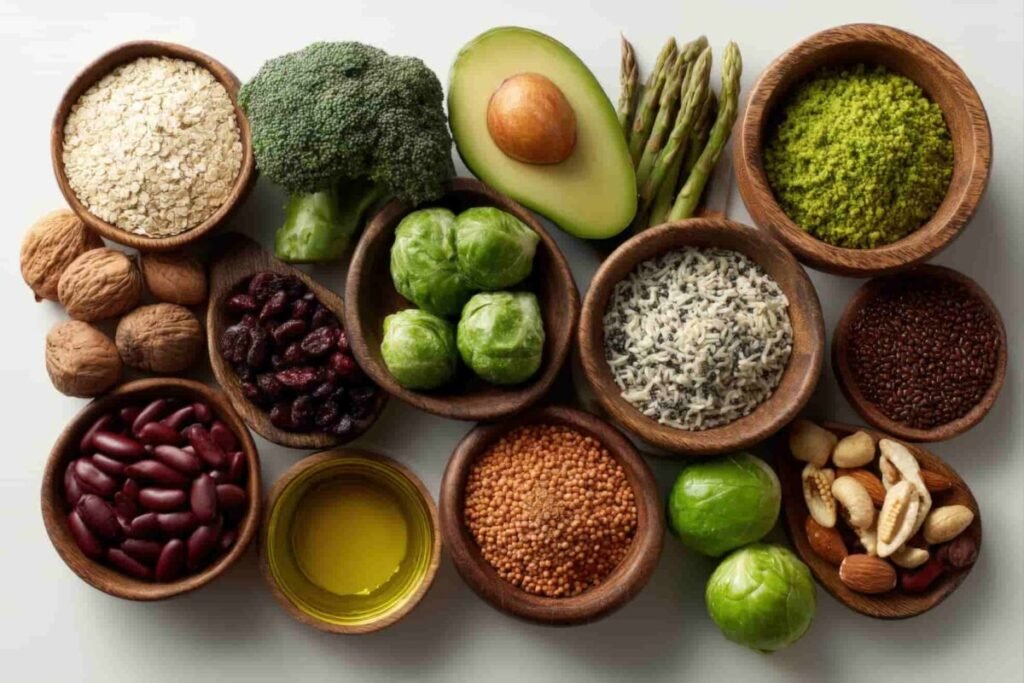
What Is Fibermaxxing and Why It Works
Fibermaxxing refers to the intentional optimization of dietary fiber consumption—typically aiming for 35-50 grams daily—to leverage fiber’s unique metabolic benefits. Unlike simple calorie counting, this strategy focuses on food quality and the mechanical properties of fiber that naturally regulate appetite.
The metabolic advantages include:
- Reduced calorie absorption: Soluble fiber binds to fats and sugars, limiting their absorption in the digestive tract
- Enhanced thermogenesis: Your body burns more calories digesting high-fiber foods compared to processed alternatives
- Gut microbiome optimization: Fiber feeds beneficial bacteria that produce short-chain fatty acids, which regulate metabolism and reduce inflammation
- Blood sugar stabilization: Fiber slows glucose absorption, preventing insulin spikes that promote fat storage
When you prioritize fiber-rich whole foods, you naturally displace liquid calories and lipogenesis-promoting beverages like sodas and sweetened coffees. This displacement effect is critical because liquid calories bypass normal satiety mechanisms, making it easy to overconsume without feeling full.
The Fiber-Cortisol-Sleep Connection
What many people don’t realize is that fibermaxxing for weight loss extends beyond direct caloric effects. High-fiber diets help lower cortisol for belly fat reduction through multiple pathways.
Chronic stress elevates cortisol, which signals your body to store visceral fat around your midsection. Fiber-rich foods—particularly those high in magnesium like leafy greens, legumes, and whole grains—help regulate cortisol production. Additionally, the steady blood sugar levels achieved through adequate fiber intake prevent the cortisol spikes triggered by glucose crashes.
Sleep optimization for weight loss is another crucial factor that fiber directly influences. Research demonstrates that people consuming 10+ grams of fiber daily fall asleep faster and experience deeper, more restorative sleep. Quality sleep regulates leptin and ghrelin—your hunger hormones—making it easier to maintain a healthy caloric intake the following day. Poor sleep disrupts these hormones, increasing cravings for high-calorie, low-nutrient foods by up to 25%.
Types of Fiber and Their Specific Benefits
Understanding the two primary fiber categories helps you strategically build your fibermaxxing plan:
Soluble Fiber
Dissolves in water to form a gel-like substance that:
- Lowers LDL cholesterol by binding bile acids
- Slows stomach emptying for extended satiety
- Feeds beneficial gut bacteria
- Stabilizes blood sugar levels
Top sources: Oats, beans, lentils, apples, citrus fruits, psyllium husk, chia seeds
Insoluble Fiber
Does not dissolve in water and provides:
- Increased stool bulk for digestive regularity
- Faster transit time through the digestive system
- Reduced constipation and bloating
- Lower risk of digestive disorders
Top sources: Whole wheat, brown rice, vegetables, nuts, seeds, wheat bran
For optimal results, aim for a 3:1 ratio of soluble to insoluble fiber, emphasizing foods that provide both types simultaneously.
Practical Fibermaxxing Strategies
Start Gradually to Avoid Digestive Discomfort
Jumping from 15 grams to 40 grams of fiber overnight causes bloating, gas, and cramping. Instead, increase your intake by 5 grams weekly while simultaneously increasing water consumption to at least 8-10 glasses daily. This allows your digestive system and gut microbiome to adapt.
Front-Load Fiber at Breakfast
Beginning your day with 12-15 grams of fiber sets the metabolic tone for reduced appetite throughout the day. A study tracking eating patterns found that high-fiber breakfasts reduced total daily calorie intake by 15% compared to low-fiber alternatives.
Powerful breakfast combinations:
- Overnight oats with chia seeds, berries, and ground flaxseed (14g fiber)
- Whole grain toast with avocado and a side of raspberries (12g fiber)
- Green smoothie with spinach, banana, protein powder, and hemp hearts (11g fiber)
Build Meals Around Legumes
Beans, lentils, and chickpeas are fiber powerhouses, delivering 12-16 grams per cup. They’re also rich in resistant starch, which ferments in your colon to produce butyrate—a compound that enhances insulin sensitivity and promotes fat oxidation.
Make legumes the centerpiece of at least one meal daily: lentil soup, black bean tacos, chickpea curry, or white bean salad.
Snack Strategically
Replace processed snacks with fiber-dense alternatives:
- Apple slices with almond butter
- Carrot and celery sticks with hummus
- Air-popped popcorn (3.5g fiber per 3 cups)
- Raw almonds with dried figs
Use Supplementation Wisely
While whole foods should provide the foundation, supplements like psyllium husk or acacia fiber can help you reach daily targets. Take 5-10 grams with 16 ounces of water before your largest meal to enhance satiety and reduce portion sizes.
Avoiding Common Fibermaxxing Mistakes
Neglecting hydration: Fiber absorbs water; insufficient fluid intake causes constipation rather than relieving it. Monitor urine color—it should be pale yellow.
Relying solely on fiber supplements: Whole foods provide vitamins, minerals, and phytonutrients that supplements lack. Use supplements to complement, not replace, food-based fiber.
Ignoring protein: Fiber alone won’t optimize body composition. Combine high-fiber meals with adequate protein (0.7-1g per pound of body weight) to preserve lean muscle during weight loss.
Choosing refined “high-fiber” products: Many commercial fiber-enriched foods contain added sugars and artificial ingredients that counteract benefits. Read labels carefully and prioritize minimally processed options.
The Role of Mindful Eating for Lower BMI
Fibermaxxing naturally supports mindful eating for lower BMI because high-fiber foods require more chewing and slower consumption. This extended eating time allows your brain’s satiety signals—which take 15-20 minutes to register—to catch up with your food intake.
Practice these mindful eating techniques to amplify results:
- Eliminate distractions during meals (no phones, TV, or computers)
- Chew each bite 20-30 times to enhance digestion and nutrient absorption
- Pause halfway through your meal to assess hunger levels
- Eat from smaller plates to recalibrate portion perceptions
Research shows that combining fibermaxxing with mindful eating practices results in 35% greater weight loss compared to either strategy alone.
Some people struggle to reach optimal fiber intake through food alone. In these cases, certain gut-focused supplements that combine prebiotic fiber with clinically studied ingredients may help support fibermaxxing goals. Read More Here
Sample One-Day Fibermaxxing Meal Plan
Breakfast (16g fiber): Steel-cut oats with ground flaxseed, blueberries, walnuts, and cinnamon
Mid-Morning Snack (5g fiber): Pear with a small handful of almonds
Lunch (14g fiber): Large mixed green salad with chickpeas, quinoa, cucumber, tomatoes, and olive oil dressing
Afternoon Snack (7g fiber): Celery sticks with 2 tablespoons almond butter
Dinner (12g fiber): Grilled salmon with roasted broccoli and sweet potato
Evening (4g fiber): Small bowl of raspberries
Total: 58g fiber, supporting optimal satiety and metabolic function
Expert Perspective on Long-Term Success
Nutritionists emphasize that fibermaxxing for weight loss succeeds where other diets fail because it’s inherently sustainable. You’re adding beneficial foods rather than eliminating entire food groups, which reduces feelings of deprivation that derail most weight loss efforts.
The key is viewing this as a permanent lifestyle upgrade rather than a temporary diet. As your palate adjusts to whole foods and your gut microbiome diversifies, processed foods naturally become less appealing. Many people report that after 6-8 weeks of consistent fibermaxxing, they crave vegetables and whole grains the way they once craved sweets.
Additionally, the metabolic improvements extend far beyond weight loss. Higher fiber intake correlates with reduced risk of type 2 diabetes, cardiovascular disease, certain cancers, and all-cause mortality. You’re not just losing weight—you’re building foundational health.
Conclusion
Fibermaxxing for weight loss represents a paradigm shift from restrictive dieting to nourishment-based fat loss. By strategically increasing fiber intake to 35-50 grams daily through whole foods, you harness powerful metabolic advantages: enhanced satiety, stabilized blood sugar, optimized gut health, and natural calorie regulation. The integration of sleep optimization for weight loss, strategies to lower cortisol for belly fat, elimination of liquid calories and lipogenesis triggers, and mindful eating for lower BMI creates a comprehensive approach that addresses weight loss from multiple physiological angles. Start gradually, stay consistent, hydrate adequately, and watch as your body naturally finds its healthy weight while you enjoy satisfying, nutrient-dense meals.