How to Reduce Blood Sugar in Singapore: A Complete, Practical Guide
Keeping your blood sugar levels within the healthy range is a topic that has gained a lot of attention in Singapore. Urban life with its fast pace, the availability of high-calorie foods, and the increasing number of elderly people have made diabetes and pre-diabetes common health problems. The good news is that blood sugar can be effectively lowered and controlled through lifestyle changes that have been proven, most of which can be readily incorporated into everyday life in Singapore. How to reduce blood sugar in Singapore ?
This detailed guide provides information on reducing blood sugar levels naturally and safely by combining the best medical practices with lifestyle tips specific to Singapore.
Understanding Blood Sugar and Diabetes in Singapore
Blood sugar (glucose) is the main source of energy for the body. After carbohydrates are eaten, glucose is released into the blood, and insulin helps transport it to the cells. When insulin production is limited or the body gets resistant to insulin, blood sugar levels go up and stay that way.
Type 2 diabetes and pre-diabetes are the major causes of diabetes in Singapore. If high blood sugar is maintained for a long time, it may result in serious repercussions such as heart disease, kidney damage, nerve problems, and blindness.
Medical professionals in Singapore blood sugar levels by:
- Measuring fasting blood glucose
- HbA1c (average blood sugar over 2–3 months)
- Oral glucose tolerance tests
Recognition of symptoms and management at all times are the ways to keep off the complications.
1. Improve Your Diet to Lower Blood Sugar
Your diet is the most influential and controllable factor when it comes to blood sugar management.
Choose Balanced, Low-GI Meals
A blood sugar-friendly diet is based on controlling the amount of food, eating fibre, and maintaining the nutrient balance of the body.
The main principles of the diet are:
- Taking meals at regular times
- Reducing the intake of refined carbohydrates and added sugars
- Eating low-glycaemic index (GI) foods
- Increasing fibre intake
Slow glucose absorption and reduction of sharp blood sugar spikes are the result of eating whole grains, vegetables, legumes, and lean proteins.
Smart Food Choices for Singapore Lifestyle
The hawker culture of Singapore is still compatible with a blood sugar-friendly plan but requires a few minor changes:
- Replace white rice with brown rice whenever you can
- Opt for steamed, grilled, or soup-based dishes
- Eat extra vegetables instead of rice or noodles
- Stay away from sugary drinks like bubble tea and sweetened kopi
The Healthy Plate method is a good example:
- Half plate: vegetables and fruits
- Quarter plate: lean protein (fish, chicken, tofu)
- Quarter plate: whole grains
2. Exercise Regularly to Use Excess Glucose
Exercise is one of the ways to lower blood sugar as it improves the body’s sensitivity to insulin and also provides muscles with glucose that is used as energy.
Recommended Activity Levels
Adults in Singapore should do the following:
- 150–300 minutes of moderate aerobic exercise per week
- Strength training at least 2 times a week
Some simple habits can make a great difference:
- Walking after meals
- Using stairs instead of lifts
- Short workouts at home
Even 10–15 minutes of walking after meals can significantly reduce post-meal blood sugar spikes.
3. Monitor Blood Sugar Consistently
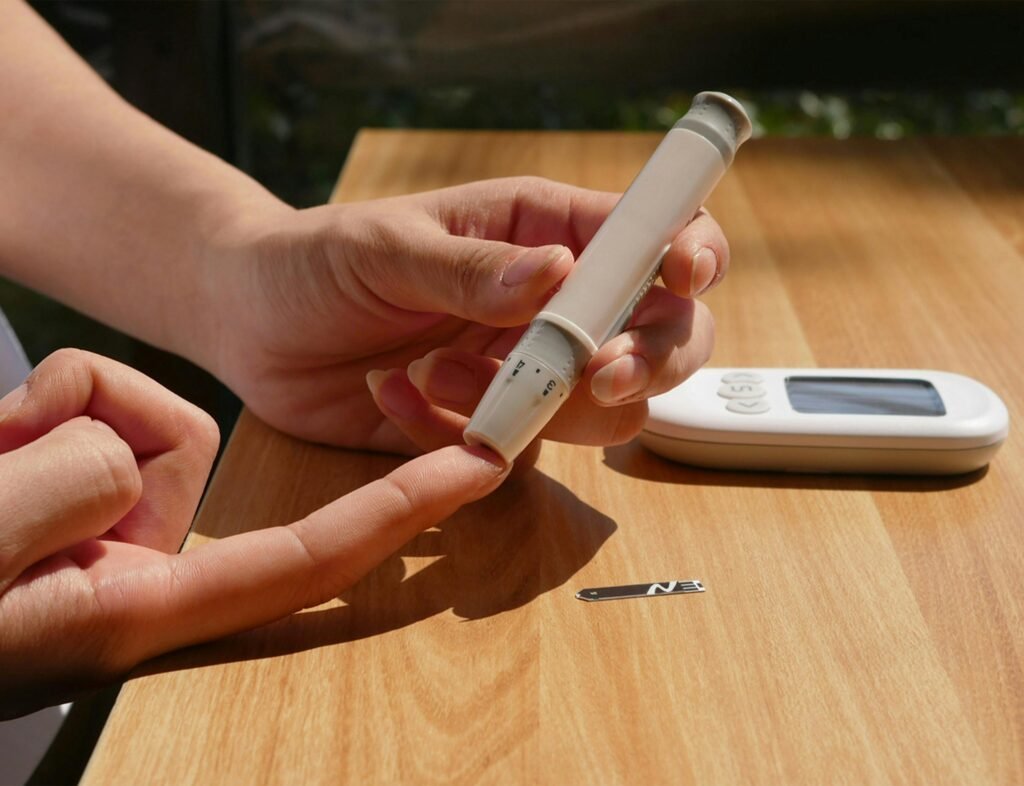
Regularly checking your blood sugar gives you insight into how your body reacts to food, workouts, stress, and medication.
Some common monitoring methods are:
- Finger-prick glucose meters
- Continuous glucose monitors (CGMs)
- HbA1c blood tests
Monitoring trends allows making adjustments at a very early stage, thus avoiding problems.
4. Medication and Medical Support
There are some people who, in addition to lifestyle changes, need medication. In Singapore, the following may be prescribed by doctors:
- Oral diabetes medications
- Insulin therapy
- Combination treatments
Do not discontinue or modify the dosage of your medication without the advice of a healthcare professional. Changes in lifestyle will improve the effectiveness of your medication but will not substitute the advice of a doctor.
5. Manage Stress and Improve Sleep Quality
Stress and lack of sleep, which are often overlooked, have a great impact on blood sugar levels.
Stress Control
If stress persists for a long time, it will lead to a higher level of cortisol, a hormone that causes an increase in blood sugar. Some of the most effective stress-management methods are:
- Mindfulness and breathing exercises
- Yoga or gentle stretching
- Leisure walking in parks or nature
Quality Sleep
The ideal amount of sleep would be 7–8 hours per night. When sleep is not sufficient, the body becomes resistant to insulin and produces more hunger hormones, thus making blood sugar control harder.
6. Maintain a Healthy Weight
Body fat in excess, mainly that which is located in the abdominal area, makes insulin resistance worse. Weight loss of only 5–7% of total body weight is able to bring a very significant improvement in blood sugar control, according to research.
Healthy weight management is achieved through:
- Balanced meals
- Regular physical activity
- Consistent routines
Don’t put yourself on extreme diets, the main thing is to be able to sustain it.
7. Prevent Low Blood Sugar (Hypoglycaemia)
If you happen to be on insulin or glucose-lowering drugs, then it would be necessary for you to watch that your blood sugar does not become too low.
Some of the symptoms are:
- Dizziness
- Sweating
- Shaking
- Confusion
Observe the 15-15 rule:
- Eat 15g of fast-absorbing carbohydrates
- Check blood sugar after 15 minutes
- If necessary, repeat
If your doctor has recommended it, make sure you always have a quick carbohydrate source with you.
8. Long-Term Blood Sugar Control: Daily Habits That Work
The control that can be maintained over a long period is the result of consistent daily habits.
At Home
- Cook using whole grains
- Vegetable intake is increased
- Sugary sauces and condiments are reduced
Eating Out
- Choose smaller portions
- Do not drink sweetened drinks
- If the dish is high in carbs, share it
Daily Movement
- Walk after meals
- Use public transport stops for walking
- Keep yourself active during the day
Planning and habit tracking are two factors that greatly influence the results in the long run.
Frequently Asked Questions (FAQ)
How can I reduce blood sugar naturally in Singapore?
Reducing blood sugar in a natural way is possible through the intake of balanced diets that have a low-glycaemic index, by performing exercises regularly, by getting rid of stress, improving the quality of sleep, and keeping a healthy weight. Some of the best things you can do in Singapore to lower blood sugar are eating whole grains, walking after meals, and not drinking sugary beverages.
What foods should I avoid to lower blood sugar?
It would be better to avoid foods that are rich in refined sugar and carbohydrates such as white rice, sugary drinks, desserts, sweetened kopi, bubble tea, and processed snacks. Such foods are able to cause a rapid increase in blood glucose levels.
Is walking after meals good for blood sugar control?
Yes. Walking for 10–15 minutes after meals makes glucose available to muscles for energy, thereby lowering blood sugar after meals. This simple habit is very effective and convenient to carry out in Singapore.
Can supplements help reduce blood sugar levels?
Some supplements that have such components as berberine, cinnamon extract, chromium, and alpha-lipoic acid may be beneficial for maintaining normal blood sugar levels. Nevertheless, supplements ought to be combined with a healthy lifestyle and used under medical supervision only.
How long does it take to lower blood sugar naturally?
The level of blood sugar can be improved in a matter of days or weeks after one has made changes to his diet and lifestyle. The best and most lasting results are obtained through long-term, consistent habits.
When should I see a doctor for high blood sugar?
You should see a doctor if your blood sugar readings remain high despite lifestyle changes, or if you experience symptoms such as excessive thirst, fatigue, frequent urination, or blurred vision.
Some Resources to Support Blood Sugar Control (Optional)
While lifestyle changes are the foundation of healthy blood sugar management, high-quality supplements and monitoring tools may provide additional support when used responsibly.
Below are examples of affiliate-friendly resources you may consider recommending:
✅ Blood Sugar Support Supplements
Some natural supplements contain ingredients like:
- Berberine
- Cinnamon extract
- Alpha-lipoic acid
- Chromium
These may help improve insulin sensitivity and glucose metabolism when combined with diet and exercise.
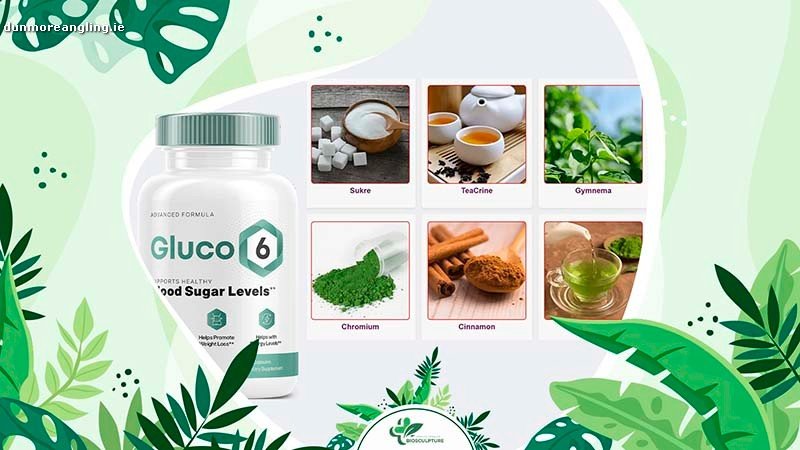
👉 Recommended Blood Sugar Support Supplement: Gluco6