If you’ve ever searched online for weight loss help, you already know how overwhelming it can feel. One minute you’re reading about calorie deficits and metabolism, and the next you’re seeing ads promising rapid fat loss from a single capsule. Naturally, most people end up asking the same question:
Do weight loss supplements actually work — and if they do, what’s really happening inside the body?
I’ve spent years reviewing weight loss and wellness supplements, reading ingredient labels, and comparing marketing claims with real scientific evidence. What I’ve learned is this: weight loss supplements aren’t magic, but they aren’t meaningless either. Their effects are just far more limited — and misunderstood — than advertisements suggest.
This article explains, in plain language, how weight loss supplements interact with your body, what science actually supports, and where expectations often go wrong.
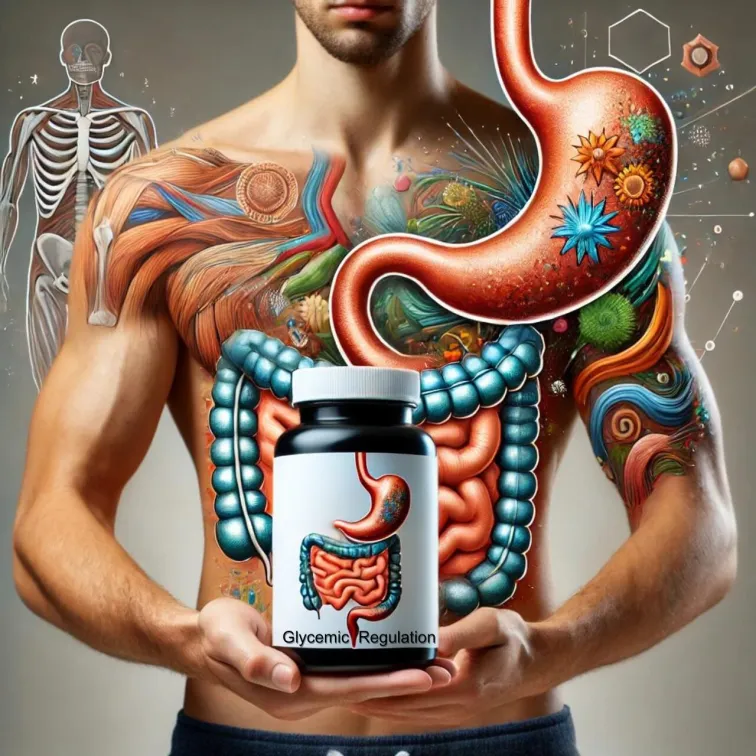
First, a Reality Check About Weight Loss
Before talking about supplements, it’s important to understand one basic truth:
Weight loss happens only when your body uses more energy than it takes in.
Your body stores excess energy as:
- Glycogen (short-term carbohydrate storage)
- Body fat (long-term energy storage)
To lose fat, your body must:
- Release stored fat from fat cells
- Transport it into the bloodstream
- Burn it for energy
No supplement can bypass this process.
What supplements can do is influence appetite, energy expenditure, digestion, or hormone signals — sometimes slightly tipping the scale in your favor. Sometimes. And only under the right conditions.
Why Weight Loss Supplements Feel Confusing
This is where many people get frustrated.
Some people swear supplements helped them. Others feel absolutely nothing. Both experiences can be real.
That’s because supplements don’t work in isolation. Their effects depend on:
- Diet quality
- Activity level
- Sleep
- Stress
- Genetics
- Hormone balance
- Consistency
If those fundamentals aren’t in place, supplements usually disappoint.
The Main Ways Weight Loss Supplements Affect the Body
Most weight loss supplements work through one or more of these biological pathways.
1. Appetite Control: Eating Less Without Feeling Miserable
Appetite regulation is controlled by a complex conversation between your gut, brain, and hormones.
Key hunger-related hormones include:
- Ghrelin (signals hunger)
- Leptin (signals fullness)
- Peptide YY & GLP-1 (promote satiety)
Some supplements aim to support appetite control by:
- Expanding in the stomach (fiber)
- Slowing digestion
- Influencing neurotransmitters tied to cravings
What This Looks Like in Real Life
When appetite support works, people often say:
- “I feel full faster”
- “I snack less without forcing it”
- “Cravings feel quieter”
However, the effect is usually subtle, not dramatic.
Ingredients Commonly Used
- Soluble fibers (like glucomannan)
- Protein or amino acids
- Certain plant extracts
Important note: Appetite suppression that feels extreme or uncomfortable is usually a red flag.
2. Thermogenesis: Slightly Increasing Calorie Burn
Thermogenesis refers to the body producing heat — which burns calories.
Some supplements stimulate the sympathetic nervous system, temporarily increasing:
- Heart rate
- Body temperature
- Energy expenditure
Common Thermogenic Ingredients
- Caffeine
- Green tea extract (EGCG)
- Capsaicin (chili pepper compounds)
- Synephrine (bitter orange)
What Science Actually Shows
Caffeine can increase metabolic rate by about 3–5% temporarily. That’s real — but small.
This explains why people often feel:
- More energetic
- More motivated to move
- Slightly increased fat burning during exercise
But over time, tolerance develops. The effect weakens.
This is why thermogenic supplements rarely lead to large or lasting weight loss on their own.
3. Fat Absorption Blockers: A Popular but Weak Strategy
Some supplements claim to block dietary fat absorption.
In theory, absorbing fewer calories should lead to weight loss.
In reality:
- The body compensates by increasing hunger later
- Evidence for meaningful fat loss is weak
- Digestive discomfort is common
This approach tends to look better on labels than in real life.
4. Carbohydrate Blockers: Managing Blood Sugar, Not Miracles
Carb blockers aim to reduce how quickly carbohydrates are digested and absorbed.
The most common ingredient is white kidney bean extract.
What They May Help With
- Reducing post-meal blood sugar spikes
- Slightly lowering calorie absorption from carbs
What They Don’t Do
They don’t cancel out high-calorie meals or sugar-heavy diets.
When people expect carb blockers to “erase” poor food choices, disappointment usually follows.
5. Fat Mobilization & Fat Burning Support
This is one of the most misunderstood areas of weight loss supplements.
Burning fat requires:
- Releasing fat from storage
- Transporting it to cells
- Burning it in mitochondria
Some ingredients are claimed to help with these steps.
Popular Examples
- L-Carnitine
- Green tea catechins
- CLA (conjugated linoleic acid)
What I’ve Seen Repeatedly
These ingredients may slightly support fat metabolism during exercise, but they do very little without movement.
Fat doesn’t burn just because a supplement is present — it burns because your body needs energy.
6. Gut Health & the Microbiome
This area gets a lot of attention — and a lot of hype.
The gut microbiome does influence:
- Energy extraction from food
- Inflammation
- Insulin sensitivity
Probiotics and prebiotics may support metabolic health, but direct fat loss effects are inconsistent.
Gut health supplements are better viewed as long-term wellness support, not fat burners.
Some modern supplements combine caffeine, green tea extract, and fiber in a single formula. You can see how these ingredients are used in real products in our detailed review of MetaTrim BHB. Also you can read Mitolyn fat-burning and metabolism support supplement review.
What Actually Happens After You Take a Supplement
Here’s what the process really looks like inside your body:
You swallow the supplement →
It’s broken down in the digestive system →
Some compounds enter the bloodstream →
The liver processes them →
They interact with hormones, nerves, or digestion →
Most are eventually eliminated
At every step, the body limits how strong the effect can be. This is intentional — your body is designed to protect balance.
Why Results Are Usually Modest
From reviewing dozens of products and studies, a pattern appears:
- Supplements work best when habits are already good
- Effects are incremental, not dramatic
- Most people overestimate what a supplement can do
Clinical research typically shows:
- 1–3 kg (2–6 lbs) additional weight loss over several months
- Only when combined with diet and activity changes
That’s helpful — but not miraculous.
Common Ingredients: What’s Worth Knowing
Caffeine
Helpful for energy and focus. Fat loss effect is small but real.
Green Tea Extract
Mild support for fat oxidation. Needs consistency.
Fiber Supplements
Often underrated. Can genuinely help appetite control.
CLA
Mixed evidence. I’m cautious with this one.
L-Carnitine
Better for exercise recovery than fat loss.
Why So Many Supplements Fail
In my experience, supplements fail because:
- Expectations are unrealistic
- Lifestyle isn’t addressed
- Ingredients are under-dosed
- Marketing oversells effects
And sometimes, the product simply isn’t well formulated.
Safety Matters More Than Speed
Weight loss supplements are not regulated like medications.
This means:
- Ingredient quality varies
- Labels may be misleading
- Some products include excessive stimulants
Always be cautious with:
- Extreme fat burners
- Products promising rapid weight loss
- Stimulant-heavy formulas
Slow progress is safer — and more sustainable.
Who Supplements May Actually Help
Supplements can be useful for:
- People already eating better and exercising
- Those needing appetite support
- Individuals looking for small motivation or energy boosts
They are not replacements for healthy habits.
If You Remember One Thing…
Weight loss supplements don’t create fat loss.
They support the conditions that make fat loss easier.
When expectations match reality, supplements can be useful tools.
When expectations are unrealistic, they feel like scams.
Final Thoughts
Weight loss is not about finding the perfect pill. It’s about understanding how your body works — and working with it, not against it.
Supplements can help at the margins.
Habits determine the outcome.
That’s the honest science.
About the Author
Sukhee Sukhee researches and reviews health and dietary supplements with a focus on evidence-based information and consumer education. His goal is to help readers understand how wellness products actually work so they can make informed decisions.