How to Digest Food Faster UK Today
Slow digestion is a common problem in the UK, affecting millions of people every day. If you often feel bloated, heavy, uncomfortable, or sluggish after meals, your digestive system may need better support. While digestion speed varies from person to person, the good news is that you can significantly improve digestion naturally by making simple lifestyle, food, and habit changes.
In this guide, you’ll discover proven, practical ways to digest food faster in the UK, using evidence-based tips that fit modern British lifestyles. Whether you’re dealing with occasional bloating or daily digestive discomfort, this article will help you feel lighter, healthier, and more energised.
Why Is Digestion So Important?
Digestion is the process by which your body breaks down food into nutrients needed for energy, growth, and repair. When digestion slows down, food stays longer in your stomach and intestines, which can lead to:
- Bloating and gas
- Acid reflux or heartburn
- Constipation
- Fatigue after eating
- Poor nutrient absorption
In the UK, diets high in processed foods, low fibre intake, stress, and sedentary lifestyles are major contributors to slow digestion. Supporting your digestive system doesn’t just reduce discomfort—it also improves immunity, metabolism, and overall wellbeing.
How Long Does Digestion Take Normally?
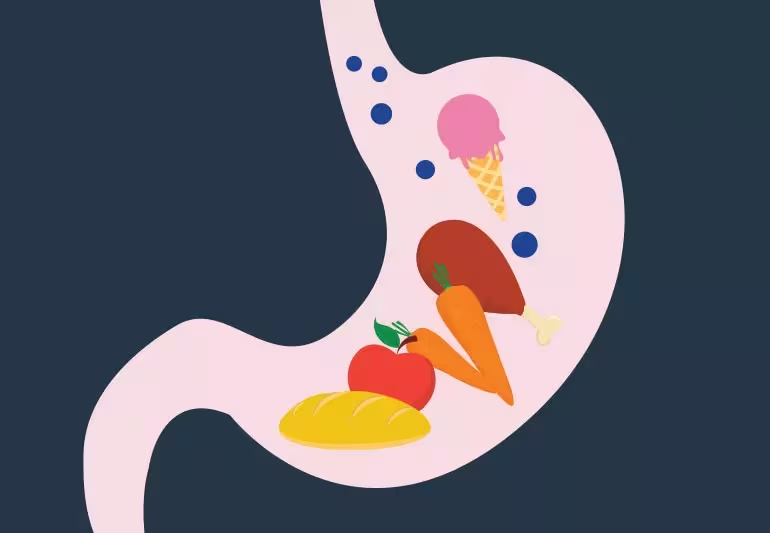
On average, digestion takes 24 to 72 hours from the moment you eat to waste elimination. However:
- Light meals digest faster
- Heavy, fatty meals digest slower
- Stress, dehydration, and poor eating habits slow digestion
You can’t force digestion to happen instantly, but you can help your body digest food more efficiently and comfortably.
15 Proven Ways to Digest Food Faster in the UK
1. Chew Your Food Slowly and Properly
Digestion begins in the mouth. Chewing food thoroughly breaks it down into smaller particles, making it easier for stomach enzymes to work.
Tip:
Aim to chew each bite 20–30 times and eat without distractions like phones or TV.
2. Eat Smaller, Balanced Meals
Large meals overload the digestive system and slow gastric emptying.
UK-friendly advice:
- Eat smaller portions
- Spread meals evenly throughout the day
- Avoid overeating late at night
This approach supports faster digestion and reduces bloating.
3. Increase Fibre Intake Gradually
Fibre helps move food through the digestive tract. Many people in the UK consume less than the recommended 30g of fibre per day.
High-fibre foods to include:
- Oats
- Wholegrain bread
- Lentils and beans
- Apples, berries, pears
- Vegetables like broccoli and carrots
⚠️ Increase fibre slowly to avoid gas and cramps.
4. Drink Enough Water Every Day
Water helps break down food and softens stool, preventing constipation.
How much water do you need?
- 6–8 glasses daily (more if active or during hot weather)
Warm water or herbal teas can be especially soothing for digestion.
5. Walk Lightly After Meals
A gentle walk stimulates digestion and helps food move through your system.
Best practice:
- Walk for 10–15 minutes after meals
- Avoid lying down immediately after eating
This simple habit significantly reduces bloating.
6. Add Probiotic Foods to Your Diet
Probiotics support healthy gut bacteria, which play a vital role in digestion.
UK-available probiotic foods:
- Live yoghurt
- Kefir
- Sauerkraut
- Kimchi
- Miso
A balanced gut microbiome helps digest food faster and improves bowel regularity.
💡 Struggling with digestion daily? Some people find added support from natural digestive aids alongside lifestyle changes.
7. Reduce Fatty and Greasy Foods
High-fat meals take longer to digest and can cause discomfort.
Limit foods like:
- Fried takeaway meals
- Crisps and pastries
- Creamy sauces
- Processed meats
Choose grilled, baked, or steamed options instead.
8. Manage Stress Levels
Stress directly slows digestion by diverting blood flow away from the gut.
Stress-reducing techniques:
- Deep breathing
- Yoga or stretching
- Meditation
- Adequate sleep
Even five minutes of calm breathing before meals can improve digestion.
9. Eat at Regular Times
Irregular eating confuses your digestive system and slows processing.
Tip:
Eat meals at similar times each day to support digestive rhythm.
10. Avoid Eating Too Late at Night
Late-night meals are digested slower, increasing bloating and acid reflux.
Best practice:
Finish eating at least 2–3 hours before bedtime.
11. Include Digestive-Friendly Spices
Certain spices stimulate digestive enzymes.
Helpful spices:
- Ginger
- Turmeric
- Fennel
- Cumin
Add them to soups, teas, or meals for natural digestive support.
12. Limit Fizzy Drinks and Alcohol
Carbonated drinks increase gas and bloating. Alcohol irritates the digestive lining.
Swap with:
- Water
- Herbal teas (peppermint, chamomile)
- Diluted fruit water
13. Don’t Rush Your Meals
Eating too quickly causes air swallowing and poor digestion.
Tip:
Set aside at least 20 minutes per meal and eat mindfully.
14. Get Enough Physical Activity
Regular exercise improves gut motility.
UK lifestyle-friendly options:
- Walking
- Cycling
- Swimming
- Yoga
Aim for 30 minutes of movement daily.
15. Consider Digestive Support Supplements
Some people benefit from digestive enzymes, probiotics, or herbal supplements.
⚠️ Always choose high-quality products and consult a healthcare professional if you have medical conditions.
Foods That Help Digestion vs Foods That Slow It Down
Foods That Help Digestion
- Oats
- Yoghurt
- Bananas
- Ginger
- Leafy greens
- Whole grains
Foods That Slow Digestion
- Fried foods
- Sugary snacks
- Processed foods
- Excess red meat
- Refined carbohydrates
Common Digestive Problems in the UK
Many people experience:
- Bloating
- Constipation
- Indigestion
- Acid reflux
If symptoms persist, worsen, or include severe pain, weight loss, or blood in stools, consult a GP.
Frequently Asked Questions (FAQs)
Can you really digest food faster naturally?
Yes. While digestion has natural limits, lifestyle changes like better eating habits, hydration, and stress management significantly improve digestion speed and comfort.
Does drinking warm water help digestion?
Yes. Warm water relaxes digestive muscles and helps food move through the system more efficiently.
Does ginger help digestion?
Ginger stimulates digestive enzymes and reduces bloating, making it one of the best natural digestion aids.
How can I reduce bloating quickly?
Walk after meals, avoid fizzy drinks, chew food well, and drink peppermint or ginger tea.
Are probiotics good for digestion?
Yes. Probiotics improve gut bacteria balance, which supports faster and healthier digestion.
Final Thoughts: Improve Digestion Today
If you’re wondering how to digest food faster in the UK, the answer lies in consistent, simple habits. You don’t need extreme diets or expensive treatments. By eating mindfully, staying hydrated, managing stress, and choosing digestion-friendly foods, you can dramatically improve your digestive health.
Start with two or three changes today, and you’ll likely feel the difference within days.
A healthy gut means better energy, stronger immunity, and a happier you.
✅ Looking for extra digestive support? Explore our expert-reviewed digestion supplements trusted by UK users.