Introduction — Why Digestion Matters in Australia
If you live in Australia and often feel bloated, tired after meals, or struggle with constipation or slow digestion, you’re not alone. Digestive discomfort affects many Australians due to modern lifestyles, diet patterns, stress, and busy schedules. Fortunately, you don’t always need medications to feel better — many changes can help you speed up digestion naturally and improve gut health long‑term.
Healthy digestion not only keeps you comfortable but also ensures your body absorbs essential nutrients, supports immunity, and helps regulate your energy levels. In this guide, we’ll dive deep into proven natural tips that can help improve digestion fast, backed by research and expert recommendations.
What Is Slow Digestion?
Slow digestion — also called delayed gastric emptying — occurs when food moves through your digestive tract more slowly than normal. Common signs include:
- Bloating and gas
- Constipation or infrequent bowel movements
- Feeling heavy after eating
- Abdominal discomfort
- Fatigue after meals
Digestion begins in the mouth and continues through the stomach and intestines. When any part of this process slows down, food nutrients aren’t absorbed efficiently, and symptoms like discomfort and bloating may occur.
Why Many Australians Experience Digestive Issues
Several lifestyle factors common in Australia can contribute to sluggish digestion:
✔ Diets high in processed foods and low in fibre
✔ Dehydration — especially in hot weather
✔ Stress and lack of sleep
✔ Sedentary lifestyles
✔ Imbalanced gut microbiome due to antibiotics or poor diet
Understanding these triggers is the first step toward naturally fixing digestion and feeling better daily.

1. Boost Fibre Intake — The Foundation of Natural Digestion
Fibre is essential for good digestion because it helps food move smoothly through the gut. Both soluble and insoluble fibres play important roles:
- Soluble fibre (found in oats, apples, legumes) forms a gel in the digestive tract, helps regulate blood sugar, and softens stool.
- Insoluble fibre (whole grains, vegetables, nuts) adds bulk to stool and prevents constipation. Science News Today
Daily fibre goals:
Most adults benefit from at least 25–30 grams of fibre per day. Great Australian‑friendly sources include:
- Oats and whole grains
- Vegetables such as broccoli, carrots, spinach
- Fruits such as apples, pears, berries
- Legumes like lentils and chickpeas
- Seeds like chia and flax
▶️ Tip: Increase fibre slowly to avoid excess gas and drink more water as you increase intake.
2. Hydrate Properly — Water Keeps Digestion Flowing
Water plays a critical role in digestion. It helps dissolve nutrients so they can be absorbed and keeps stool soft, preventing constipation. Without enough fluid, digestive enzymes cannot work effectively, and stools can become hard and difficult to pass. Tropeaka
How much water to drink:
- Aim for at least 2–3 litres of clean water daily
- Increase if it’s hot outside or after exercise
👉 Pro tip: Try hydrating foods like cucumbers, watermelon, tomatoes, and oranges to support your fluid intake naturally.
3. Chew Food Slowly & Mindfully
Digestion begins in the mouth, where enzymes in saliva start breaking down food. Chewing thoroughly helps your stomach by releasing more digestive enzymes and breaking food into smaller pieces. nuut.com.au
How to eat mindfully:
- Aim to chew each bite 15–20 times
- Sit down, avoid distractions like phones or TV
- Breathe and enjoy your meals
- Eating slowly doesn’t just help digestion — it reduces overeating
Mindful eating activates your parasympathetic nervous system — sometimes called the rest-and-digest state — which improves overall digestion and nutrient absorption.
4. Move Your Body — Even Light Activity Helps
Physical activity stimulates intestinal muscles and helps move food through your digestive tract more efficiently. A short walk after meals is one simple way to encourage digestion. Science News Today+1
Recommended digestion‑boosting movements:
- A gentle 10–15‑minute walk after meals
- Light yoga or stretching
- Even standing or gentle pacing at home
Physical movement helps reduce gas, improve bowel regularity, and decrease bloating. It’s especially useful if you have a sedentary job or spend long hours sitting.
5. Eat Probiotic & Prebiotic Foods to Support Your Gut Microbiome
Your gut is home to billions of bacteria that play a critical role in digestion and overall health. Eating foods that support these beneficial bacteria makes digestion faster and more efficient. nib
Probiotic foods (live beneficial bacteria):
- Yogurt and kefir
- Sauerkraut and kimchi
- Kombucha
- Tempeh
Prebiotic foods (feed the good bacteria):
- Garlic and onions
- Bananas
- Asparagus
- Oats and legumes
Together, prebiotics and probiotics help maintain a balanced gut microbiome and support daily digestion.
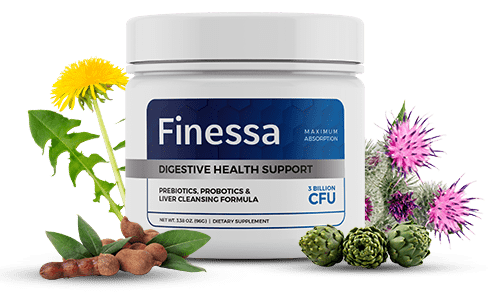
Boost digestion naturally with Finessa
6. Use Herbal Aids — Ginger, Peppermint & More
Various herbs and spices have been traditionally used to support digestion. These work by stimulating digestive enzymes, reducing gas, and soothing the gut:
- Ginger — known to stimulate digestion and ease nausea
- Peppermint tea — relaxes gut muscles to reduce bloating
- Chamomile tea — supports calm digestion and reduces discomfort
- Fennel seeds — can relieve gas and cramping
These herbs can be enjoyed as teas or added to meals for flavour and function. Science News Today
7. Adjust Meal Timing for Better Results
Modern eating habits often include grazing, late dinners, or large meals just before sleep — all of which can slow digestion. Allow your body simpler rhythms:
👉 Eat your biggest meal earlier in the day when metabolism is most active.
👉 Leave several hours between meals to give your digestive system time to work. Science News Today
This approach helps your digestive enzymes and gut muscles get into a rhythm that supports consistent movement through the gut.
8. Avoid Foods That Slow Digestion
While including healthy foods is important, reducing or avoiding these digestion‑slowing offenders can make a big difference:
❌ Ultra‑processed foods
❌ Excessive sugar
❌ Alcohol in large amounts
❌ Artificial sweeteners
❌ Very heavy, fried meals
These foods can irritate the gut lining, feed harmful bacteria, and lead to inflammation, all of which slow digestive motility. Science News Today
9. Manage Stress & Improve Sleep for Better Digestion
The “gut‑brain axis” links your nervous system and digestive system. When you’re stressed, your body goes into fight or flight mode, and digestion slows down. Healthline
Ways to reduce stress:
- Deep breathing before meals
- Meditation or short mindfulness sessions
- Daily physical activity
- Reducing screen time before eating
Sleep matters too:
Aim for 7–9 hours each night, as quality sleep allows your body to repair and regulate hormones that influence digestion. Poor sleep is associated with slower digestion and increased discomfort. Verywell Health
10. Consider Digestive Enzyme & Probiotic Supplements (Optional)
Sometimes, even with a great diet and lifestyle, digestion may need extra support. Natural supplements designed to improve digestion can help by:
✔ Providing digestive enzymes that break down food components (fats, proteins, carbs)
✔ Supporting a balanced gut microbiome
✔ Reducing bloating and gas when taken with meals
Foods like pineapple contain natural digestive enzymes (like bromelain) that can help break down proteins naturally. Healthline
When choosing supplements, look for quality products with natural ingredients and consider consulting a healthcare professional if you have ongoing digestive issues.
11. Practical Daily Routine to Speed Up Digestion Naturally (Australia‑Friendly)
Here’s a simple daily routine that many Australians can adopt:
Morning
✔ Start with warm water or herbal tea
✔ Include fibre (such as oats or fruit) with breakfast
✔ Eat mindfully, chew slowly
Midday
✔ Walk after lunch
✔ Eat a balanced meal with prebiotic and probiotic foods
✔ Drink water consistently
Afternoon
✔ Snack on gut‑friendly options like yoghurt, nuts, or fruit
✔ Practice light stretching or a short walk
Evening
✔ Enjoy a lighter dinner earlier in the evening
✔ Avoid high‑fat, heavy foods
✔ Relax and reduce stress before bedtime
These small habits compound over time to produce significant digestion improvements.
Frequently Asked Questions (FAQs)
Q: How quickly can natural methods improve digestion?
A: Many people notice benefits within a few days, especially with hydration and fibre changes. Full benefits often take 2–4 weeks of consistent habits.
Q: Can exercise really help digestion?
A: Yes — walking and light activity stimulate gut motility and reduce bloating. Even 10–15 minutes after eating can help. Verywell Health
Q: Should I worry about slow digestion?
A: Occasional slow digestion is normal, but chronic symptoms may require a health check to rule out underlying conditions.
Conclusion — Naturally Speed Up Digestion in Australia
Improving digestion doesn’t have to be complicated or involve harsh medications. By focusing on natural methods — such as increasing fibre, staying hydrated, eating probiotics and prebiotics, exercising, managing stress, and practicing mindful eating — you can boost your digestion and feel better every day.
Remember, digestion is a daily process, and consistent healthy habits will support your gut and your overall well‑being. Start with small changes today, and your body will thank you tomorrow.
Publishers Note:
If symptoms persist or are severe, consult a healthcare professional for personalised advice. This article is informational and not a substitute for medical care.
Boost your digestion naturally – Order Finessa